How Europe’s private skies moved last year
January is when the industry regains clarity. The noise of December fades, new calendars open, and attention shifts from closing the year to understanding it. 2025 deserves that pause. From above, Europe’s private skies told a story shaped by scale, discipline and quiet consistency.

Across twelve months, private aviation continued to function as a critical layer of Europe’s business and decision-making infrastructure.
On average, more than 2,000 arrivals took place every day, spread across a remarkably wide airport network. Rather than concentrating activity into a handful of hubs, the market relied on reach and adaptability.
A small group of airports carried a disproportionate share of year-round relevance. Paris Le Bourget remained the continent’s primary business aviation anchor. Geneva followed as a financial and diplomatic crossroads, while Farnborough sustained its role as the UK’s executive gateway. Milan anchored northern Italy’s corporate movement, and the south of France balanced business travel with operational demand. What united these airports was durability — relevance across all four quarters, not seasonal peaks.
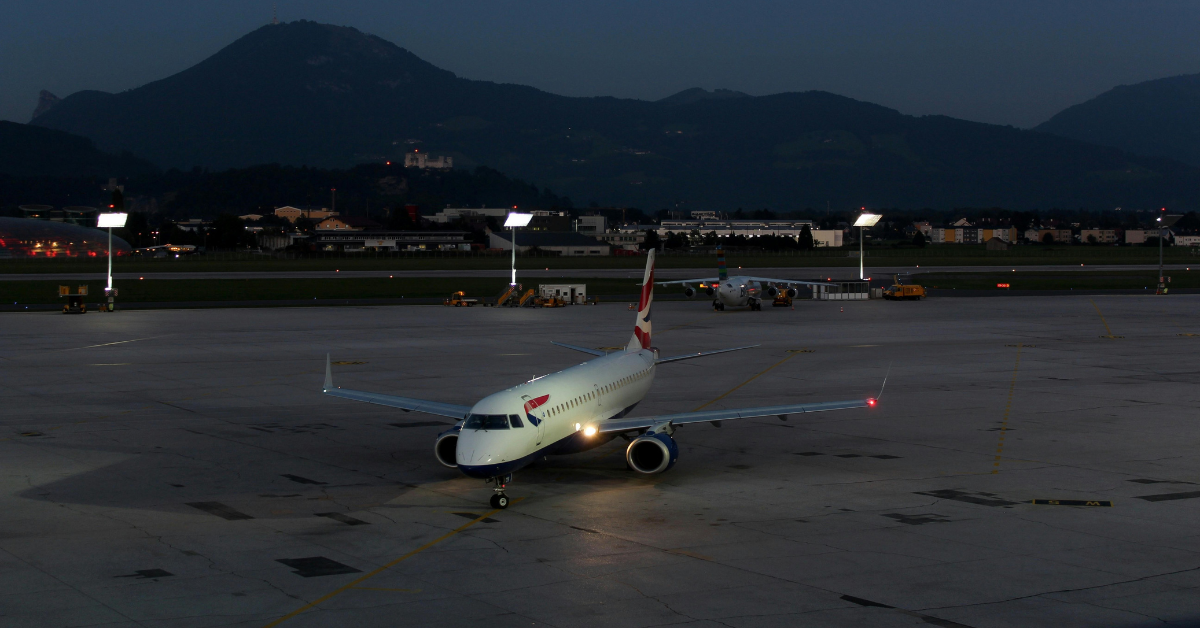
With more than 115,000 unique airport pairs, 2025 demonstrated how decentralised private aviation has become.
Short and medium-range routes between financial centres dominated annual activity, while domestic business corridors remained particularly strong in France, Italy and Türkiye. Most flights clustered around sub-two-hour sectors, reinforcing private aviation’s role as a time-critical mobility tool.
Fleet activity across the year confirmed a consistent operational logic.
Turboprops led total utilisation, forming the backbone of regional connectivity. Light and Super Light Jets followed closely, together shaping the core of European business flying. Super Midsize and Heavy Jets remained essential for specific missions, while Ultra Long Range aircraft were used selectively and precisely.
Across the fleet, aircraft were chosen for fit, not status.

Several signals quietly defined the year. Paris Le Bourget, Geneva and the London area formed a stable triangle of finance, governance and corporate decision-making. Nice maintained strong activity well beyond summer, evolving into a year-round operational hub. With over 115,500 distinct routes flown, flexibility proved more valuable than concentration. Efficiency dominated fleet behaviour, and consistency outweighed peaks.

From the outside, 2025 appeared calm. From within the industry, it demanded discipline, adaptability and focus. Private aviation met those demands quietly — by delivering access, continuity and speed where they were needed most. Utility remains the strongest value private aviation can offer.

JETRON has once again closed a transaction involving a large-cabin business jet.
August marked a step down from July’s peak activity
Jaroslav brings more than two decades of experience in the aviation industry





_white.png)