A behind-the-scenes look at how each deal unfolded.
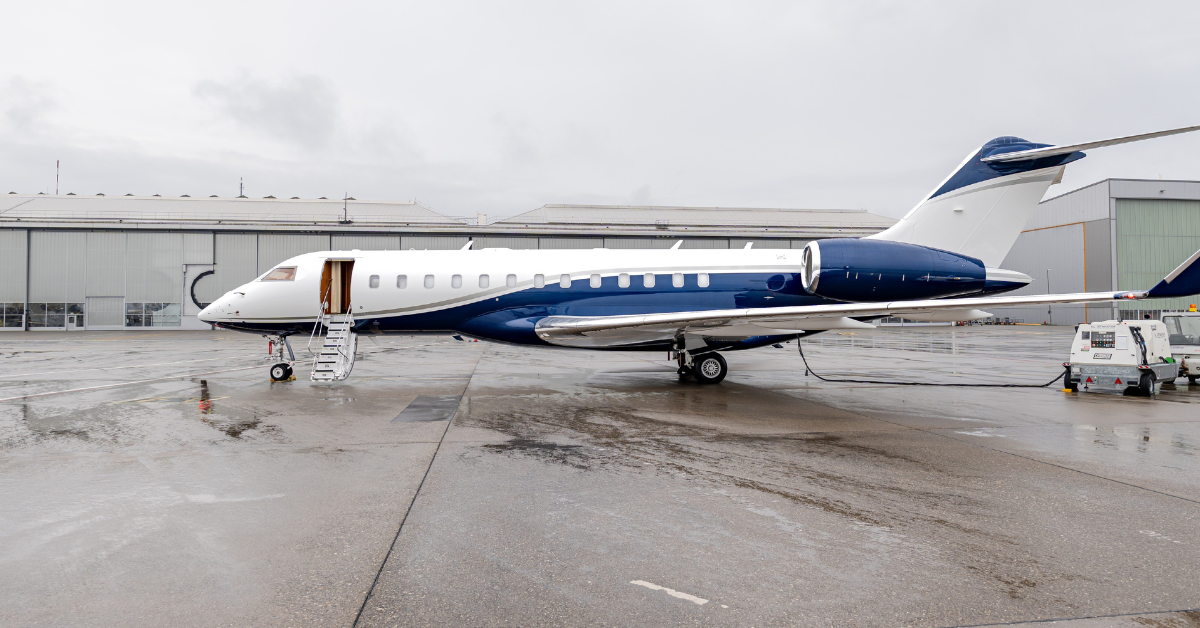
In recent months, Jetron completed the acquisition of two Bombardier Global 6000 aircraft for private owners — adding them to the long-range fleet of Albinati Aeronautics, one of Europe’s most reputable operators in the segment.
Large-cabin transactions are never straightforward: the search process is competitive, the market is shifting, and each aircraft comes with its own technical and operational story. To offer a closer look at how these acquisitions unfolded — and what they say about today’s business aviation landscape — we spoke with two people directly at the center of the process: Marian Jancarik, Managing Director at Jetron, and Stefano Albinati, CEO of Albinati Aeronautics.
Their insights shed light not only on the specifics of these two aircraft, but also on the broader forces shaping demand for long-range jets in 2026.
.png)
What were the key factors that led the clients to select the Global 6000 for their needs?
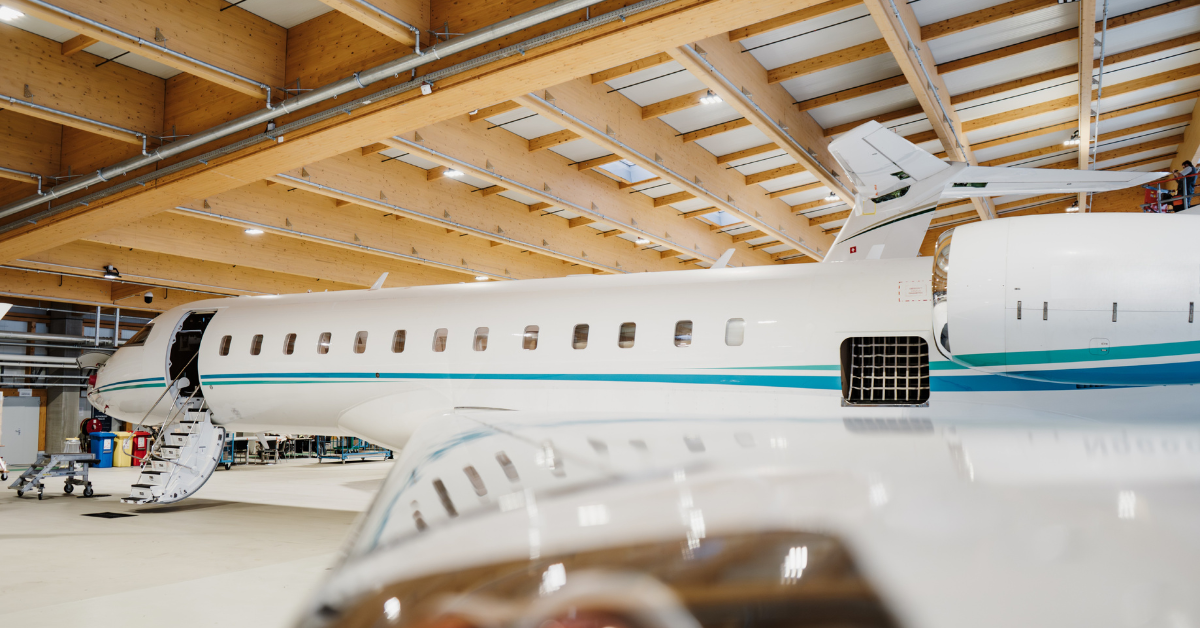
The Global 6000 ultimately stood out because it offers a rare combination of long-range performance, reliability, and an exceptionally spacious cabin. For both clients, the ability to fly intercontinental sectors comfortably and without compromise was essential.
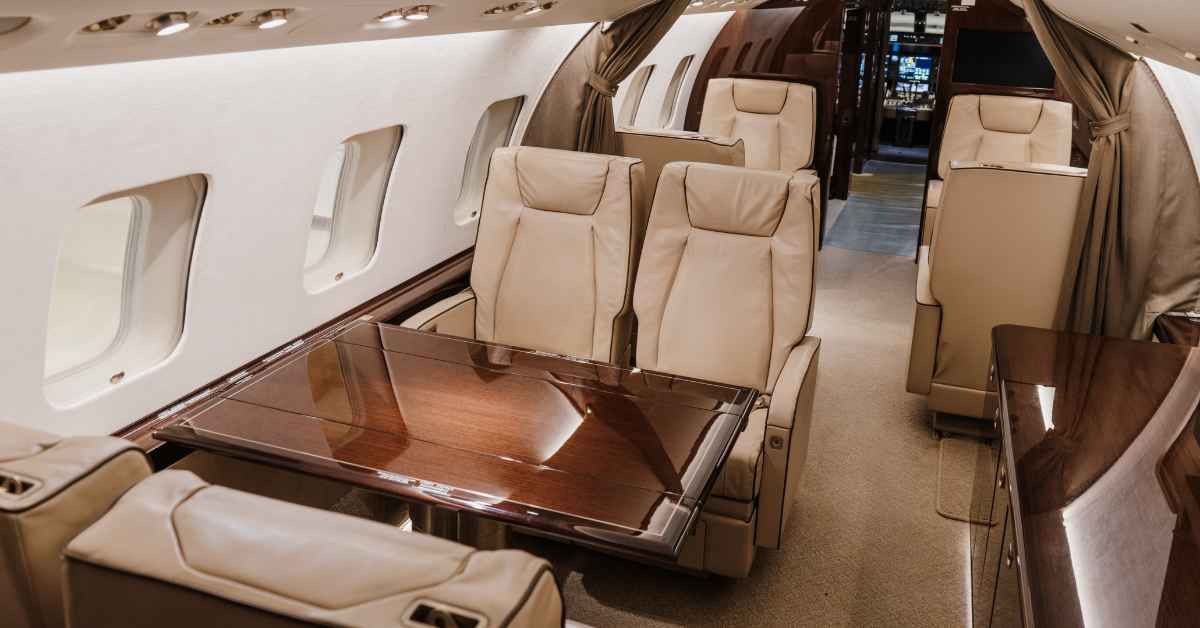
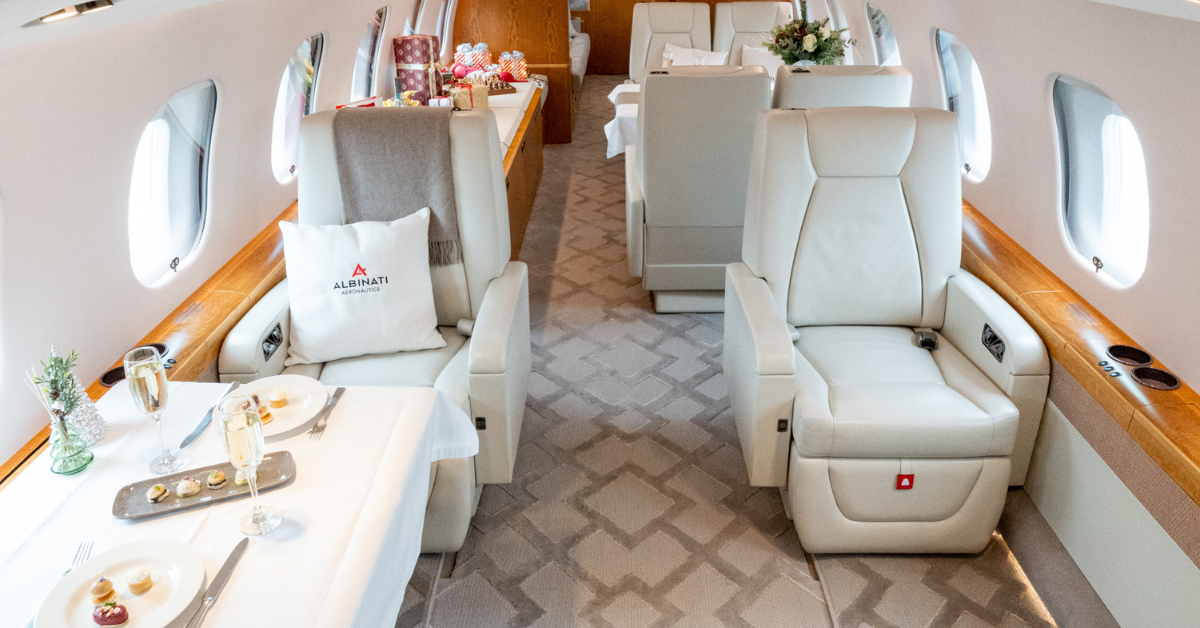
The aircraft’s impressive cabin—both wide and long—provides a true three-zone layout that allows passengers to work, rest, and dine in comfort even on 10+ hour flights. This level of space and comfort simply matches the expectations of clients who routinely undertake demanding travel schedules.
Coupled with the model’s strong market reputation, predictable operating economics, and solid support network, theGlobal 6000 emerged as the aircraft that best aligned with their long-term operational needs.
What aspects of these two acquisitions proved the most challenging, and in what ways did the transactions differ from each other?
Each of the two transactions had its own dynamics shaped partly by the regions in which they originated.
One aircraft was purchased from Asia and imported into Europe. This required careful handling of cultural expectations, communication rhythms, and transaction style typical in that region—where processes tend to be very structured and formal. Ensuring alignment across all stakeholders while keeping the transaction momentum was key.
The second acquisition, originating in the U.S., presented a different set of challenges. The U.S. market moves fast, and negotiations tend to be more direct. Here, the task was to secure the right aircraft quickly while still maintaining the depth of technical scrutiny required for a large-cabin purchase.
Both deals were successful, but they differed in pace, communication style, and regulatory pathways. Jetron’s ability to adapt to regional transaction cultures while keeping our clients’ interests at the center was essential in bringing both purchases to completion.
In your opinion, what keeps the Global 6000 among the leading choices in the long-range category?
The Global 6000 maintains its position as a category leader because it delivers exactly what long-range owners value most: range, reliability, and an extraordinary cabin experience. The aircraft’s cabin size—among the widest and longest in its class—is a major selling point. The space it offers is genuinely tangible; once clients step inside, they immediately understand why the model remains so desirable.
Beyond comfort, the aircraft’s proven performance, refined avionics suite, and continuous improvements introduced by Bombardier over the years keep it competitive. Operators appreciate the predictable costs and the strong global support network, which further strengthens the aircraft’s standing among corporate and private owners.
To what extent does the size of an aircraft influence the complexity of an acquisition?
While physical size plays a role, it is ultimately the class of the aircraft—and all the regulatory, technical, and transactional implications of that class—that drives complexity. When moving into the large-cabin, long-range category, buyers encounter more significant variations in jurisdictions, contractual frameworks, and import/export requirements.
The scope of the Pre-Purchase Inspection also grows substantially. These aircraft involve more advanced systems, deeper maintenance histories, and higher standards for records, modifications, and conformity. The PPI itself becomes a multi-stakeholder project that must be managed with precision.
A deal is a deal—but in this class of aircraft, the cross-border coordination, regulatory work, and technical depth are what truly influence the complexity of the acquisition.
What would you recommend to clients considering a large-cabin aircraft today, and how can Jetron support them throughout the process?
For clients entering the large-cabin segment, my key recommendation is to begin with a clear understanding of mission requirements—range, passenger capacity, airport accessibility, and future operating plans. Today’s market offers many compelling options, but matching the aircraft to the actual mission profile is fundamental to long-term satisfaction.
Jetron supports clients from the very first conversation through delivery and entry-into-service. We manage the technical evaluations, commercial negotiations, contract structuring, and project oversight, ensuring transparency and accuracy at every stage. Our role is to reduce risk, protect our clients’ interests, and make the acquisition not only successful but also enjoyable.

In the case of these two Global 6000 acquisitions, what were the main objectives expressed by the owners?
In both cases, the selection of the Global 6000 emerged as a natural choice, as the clients had been owners of a Global 5000 and a Global XRS for several years and had been fully satisfied with their performance and capabilities. Their objective was not to change aircraft category, but rather to modernise their fleet by acquiring a model approximately ten years newer, equipped with the RockwellCollins Pro Line Fusion avionics and technologies.
The Global 6000 preserved the mission profile they already valued while offering enhanced efficiency, improved comfort, and a higher level of technological refinement, making the transition both logical and seamless.
How do you guide clients through the selection process between different long-range aircraft types?
Our foremost priority is to understand our clients’ needs with precision, including their travel patterns, preferred routes, onboard expectations, and operational constraints.
Only once these factors are clearly defined can we provide meaningful guidance, drawing on our experience as an operator of approximately 25 aircraft across multiple model sand categories. This operational expertise is invaluable, as it allows us to highlight not only the strengths of each aircraft type but also the practical implications of integrating the aircraft into a managed fleet.
The close, trust-based relationships we maintain with our clients, built through direct contact and long-term collaboration, represent a key asset during the aircraft selection process.
From your experience, what should owners look for in an acquisition partner to ensure a successful long-term operation?
It may sound simple, but trust is fundamental. Jetron Switzerland was established through my long-standing collaboration with Marian Jancarik, precisely because we share the same values: transparency in every transaction and decades of experience in the business aviation industry.
Our philosophy is straightforward: the aircraft we recommend must align with the owner’s needs, not serve any commercial interest of Jetron. An acquisition partner must act with independence, integrity, and a thorough understanding of the long-term implications of the purchase.
Why is it important for owners to work with a partner who understands both acquisition and long-term operation?
These two phases are inseparable. If the acquisition advisor does not fully understand the operational realities of the aircraft being recommended, the owner may encounter limitations or unforeseen constraints only after the purchase, precisely what we aim to prevent.
By aligning acquisition with operational considerations, we ensure that the aircraft willfully meet the owner’s expectations from day one and for years to come.
What are the key steps to ensure a smooth transition from purchase to entry into service?
For Jetron, the ability to work directly with a reputable operator such as Albinati Aeronautics represents a significant advantage. It allows us to share, early in the process, all the operational details necessary to ensure a smooth integration, whether the aircraft will be used privately or commercially.
In many cases within the industry, aircraft brokers lack this operational expertise, and critical issues may only emerge late in the process.
By contrast, involving Albinati Aeronautics’ technical and operational teams from the outset has proven invaluable. Their experience helps anticipate challenges, prevent delays, and ensure a seamless entry into service.
The acquisition of two Global 6000 aircraft in parallel reflects a market where long-range capability, reliability, and cabin comfort continue to define buyer priorities. It also highlights the importance of coordination — between the buyer, the broker, and the operator — when navigating high-value transactions. For Jetron, these projects demonstrate how careful search, structured evaluation, and transparent execution can shape outcomes in a segment where details matter most. And for owners considering their next step, from acquisition to fleet placement, both Jetron and Albinati Aeronautics stand ready to guide the process with clarity and experience.

JETRON has once again closed a transaction involving a large-cabin business jet.
August marked a step down from July’s peak activity
Jaroslav brings more than two decades of experience in the aviation industry





_white.png)