The Bell 412 remains an established platform in the medium twin-engine utility helicopter segment.
The Bell 412 has established itself as a versatile medium twin-engine utility helicopter, combining operational flexibility, passenger capacity and proven performance. As part of the wider Bell 412 family, it serves a variety of roles, from emergency services and public safety to offshore transportation, passenger operations and specialised utility missions.
In this edition of Heli Focus, we take a closer look at the latest Bell 412 variants — the EP, EPI and EPX — their fleet, current market conditions and recent transaction activity, combining AMSTAT industry data with Jetron's internal market tracking.
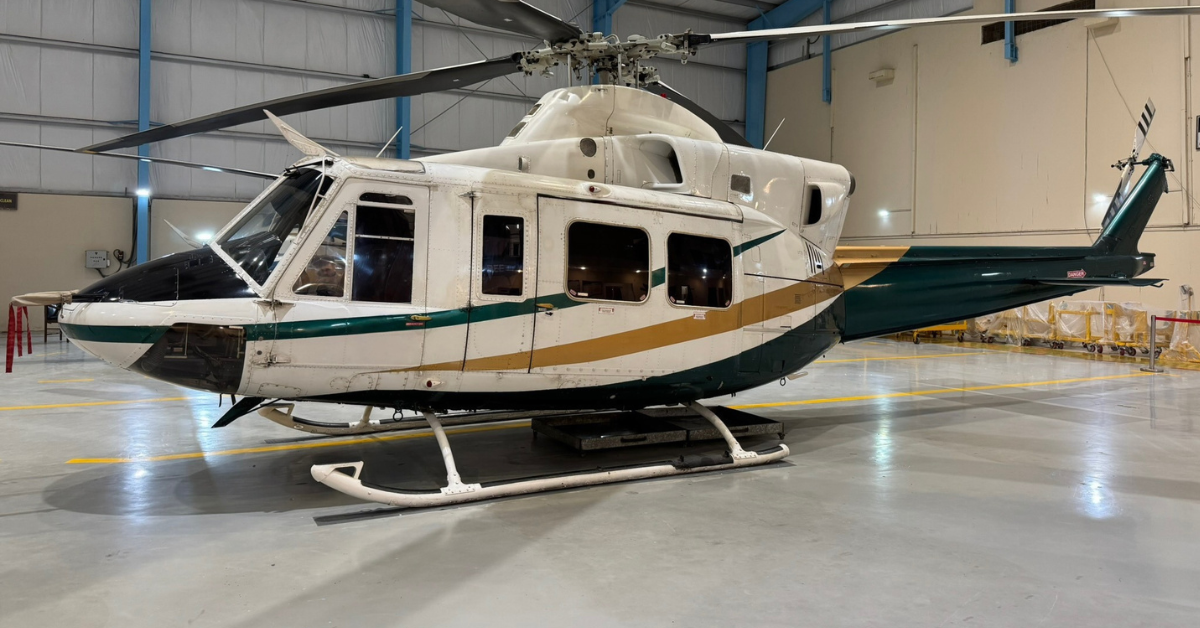
The Bell 412 evolved from the Bell 212 and became widely recognised for its four-bladed main rotor system. The EP designation stands for Enhanced Performance, while the EPI introduced a glass cockpit. The SUBARU BELL 412EPX benefits from a more robust main rotor gearbox, dry-run capability, an increase in internal Maximum Gross Weight to 12,200 lbs., and a mast torque output increase of 11% at speeds below 60 knots. With a significant increase in External Gross Weight to 13,000 lbs., the SUBARU BELL 412EPX provides operators with the ability to transport more supplies and achieve better operational efficiency.
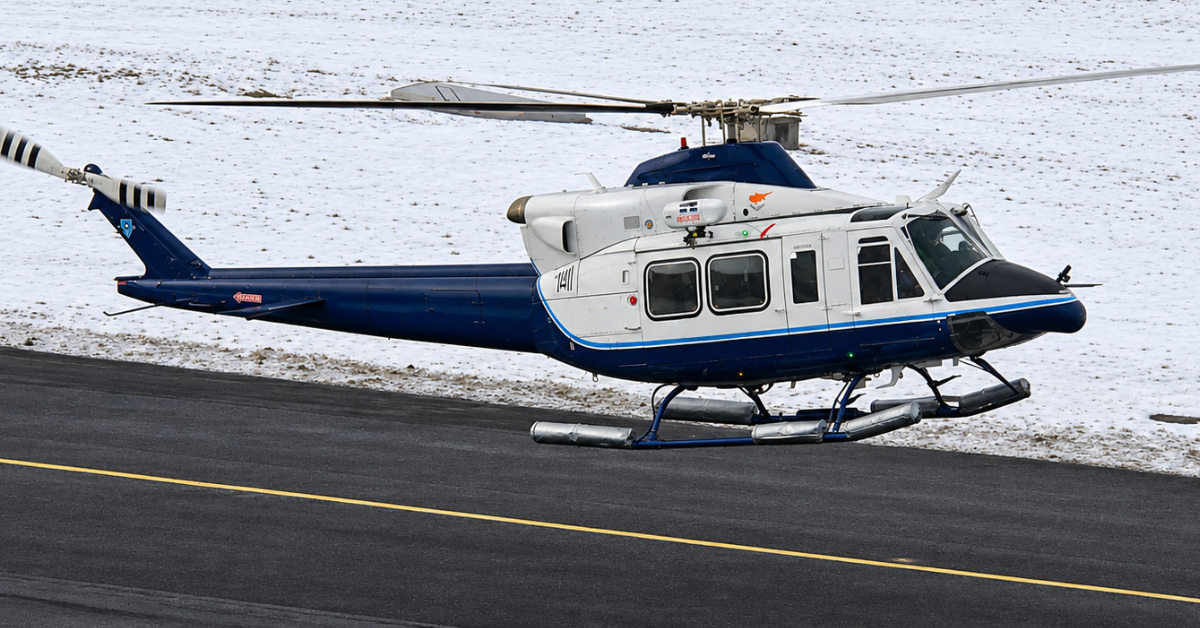
Since we are looking at the current operating fleet, this article will focus on the Bell 412EP and EPI. The EPI version starts at serial number 37001 and subsequent numbers, while the EPX serial number range starts at 38001 and subsequent numbers. The versions covered by the AMSTAT report are powered by twin Pratt & Whitney Canada PT6T-3DF engines, while the EPX is powered by PT6T-9 engines. These versions incorporate performance enhancements suited to demanding operational environments.
Their combination of lifting capability, cabin capacity and operational versatility makes them suitable for a range of missions for both commercial and government operators. For detailed technical data, see the Bell 412EPX product specifications.
Passenger capacity: 1 pilot + 14 passengers
Engines: Twin Pratt & Whitney Canada PT6T-3DF and PT6T-9
Maximum speed: 140 knots
Long-range cruise speed: 126 knots
Range: 357 nautical miles
Service ceiling: 20,000 ft
Maximum takeoff weight: 11,905 lbs (13,000 lbs. for the EPX)
Maximum payload: 5,100 lbs
According to AMSTAT, the Bell 412 fleet summary records 706 aircraft produced, with 611 currently classified as active and 95 as inactive.
The largest regional concentration is in Asia, accounting for 194 aircraft. South and Central America follow with 118, while the Middle East and Africa account for another 102. North America represents 85 aircraft. The remaining fleet is distributed across Western Europe (48), Australia and Oceania (33), unidentified locations (19), and Eastern Europe and Western Asia (12).
This geographical distribution highlights the model's established international presence and its relevance across different operational environments.
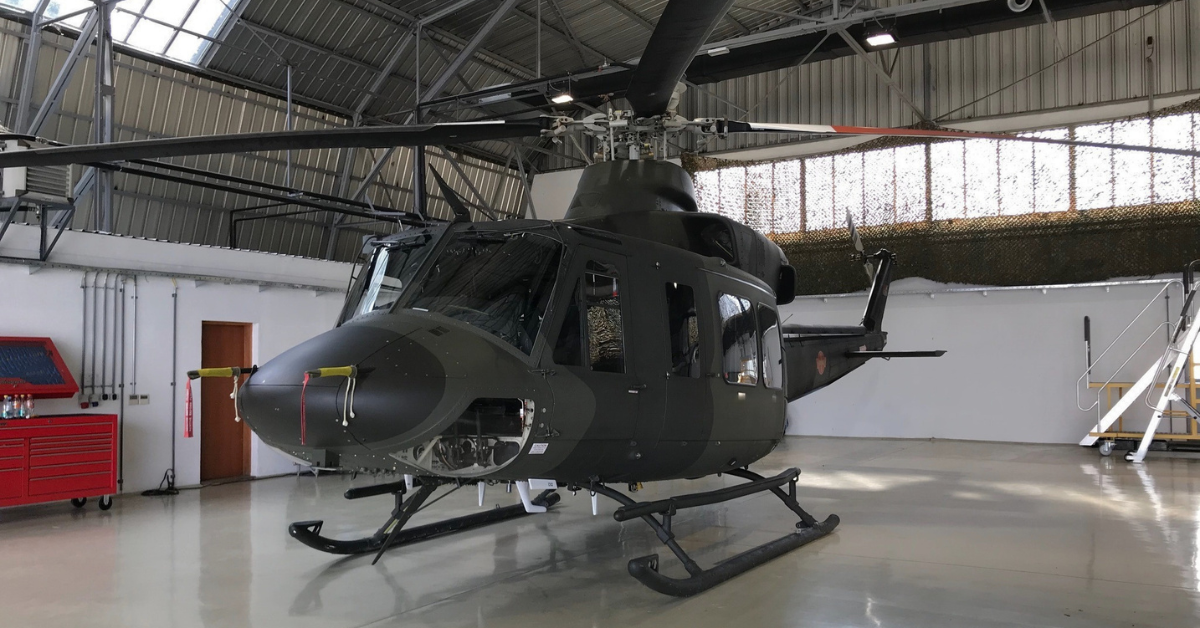
As of October 2026, AMSTAT identifies 11 Bell 412EP helicopters available for sale or lease worldwide. Five are classified as verified listings, while six remain unverified. No aircraft are currently reported as available for lease.
Jetron's internal market tracking also identifies 11 actively marketed aircraft, excluding off-market units. Based on eight active listings with disclosed asking prices in Jetron's market summary, the average asking price stands at approximately USD 4.4 million.
The tracked asking prices range from approximately USD 3.3 million to USD 5.75 million, illustrating differences between individual aircraft in terms of age, total flight hours, equipment and configuration. Features across the listings include cargo hooks, air conditioning, dual controls, three-axis autopilot systems, auxiliary fuel tanks and ADS-B equipment.
These differences matter when comparing aircraft: two helicopters of the same model can have considerably different market positioning depending on their technical condition, maintenance status and installed equipment.
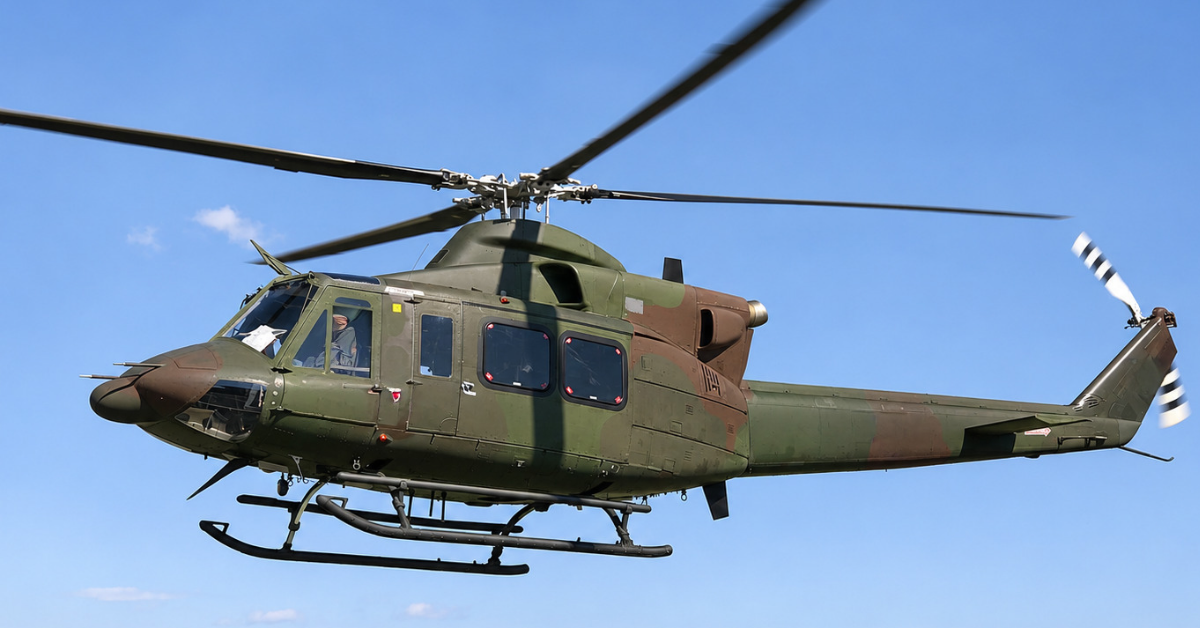
The number of Bell 412EP helicopters offered for sale has increased over the past six months. AMSTAT data shows that available inventory grew from seven aircraft in May 2026 to eight in July, before reaching 11 in August. The number remained unchanged through September and October.
Transaction activity has been relatively modest. AMSTAT recorded six resale transactions between May and October 2026:
Another indicator worth monitoring is Days on Market. The median reached 160 days in October, compared with 130 days in September and 106 days in August. This increase suggests that aircraft are taking longer to sell following the shorter marketing periods recorded during the summer.
With inventory remaining at 11 aircraft and no recorded resale transactions in October, the latest figures indicate a market where buyers have several options, while sellers may need to pay closer attention to pricing, aircraft condition and equipment when positioning their helicopters.

Insights from Jaroslav, Helicopter Sales and Acquisitions Manager at Jetron
To complement the market data, we invited Jaroslav, Jetron’s Helicopter Sales and Acquisitions Manager, to share his perspective on the Bell 412EP market. The following questions will guide his expert commentary:
What is currently driving demand for the Bell 412EP?
Demand for the 412 is concentrated in the heavy utility, firefighting and government sectors. Very few Bell 412 helicopters are available in VIP transport configuration; compared with the size of the fleet, these aircraft are quite rare. The Bell 412 is a sought-after helicopter for rugged and remote operations due to its durability and reliability.
What are the main factors influencing its market value?
Apart from the age of the aircraft, the status of the power section and its maintenance status, the main factors influencing its price are the area of operation and the available equipment. Buyers may take a cautious approach to helicopters that have operated extensively in coastal or offshore environments. However, when an aircraft has been maintained in accordance with the applicable maintenance manual requirements and best practices for the respective operating environment, the fact that it has operated in a marine environment does not play a significant role, although it should, of course, be taken into consideration.
How do you see the Bell 412EP market developing over the coming months?
As we move towards the winter months, the firefighting season is slowing down in Europe, North America and Asia. We may see a slight decline in demand for firefighting missions; however, the utility market will continue to demand airframes. The fact that there are only 11 actively marketed aircraft indicates that demand is still high. An aircraft typically stays on the market for an average of 100–130 days, which is the average transaction time, so I would be cautiously optimistic that this trend will continue. The Bell 412 is a platform that delivers performance, ruggedness and reliability in the toughest conditions, and these are valued attributes.
The Bell 412EP/EPI/EPX remains an established platform in the medium twin-engine utility helicopter segment. Its international fleet, versatile configuration and broad range of operational applications continue to make it relevant to operators worldwide.
The atest market figures highlight the importance of understanding individual aircraft value, equipment specifications and market positioning. With 11 aircraft currently offered for sale and an average asking price of approximately USD 4.4 million across Jetron's tracked listings with disclosed prices, both buyers and sellers can benefit from a well-informed approach.
Considering buying or selling a Bell 412? Contact Jetron's team to discuss current market opportunities and receive expert guidance throughout your transaction.

Five years down. Still growing. The next chapter begins.
Za mesiac bolo zaznamenaných 81 675 príletov na 1 360 aktívnych letiskách, pričom sa do prevádzky zapojilo 5 614 lietadiel
JETRON opäť úspešne uzavrel transakciu v segmente biznis jetov s veľkou kabínou.